
Fourme d'Ambert, Spring and summer product
©Fourme d'Ambert/S.Alphonsine

Fourme d'Ambert cheese, history and manufacturing secrets

Fourme d’Ambert, the emblematic cheese of the Auvergne-Rhône-Alpes region, is a historic blue-veined cheese. Originating mainly in the Puy-de-Dôme, it is also produced in the Cantal and Loire regions, often at altitudes of over 600 metres.

Do you know what Fourme d'Ambert is?

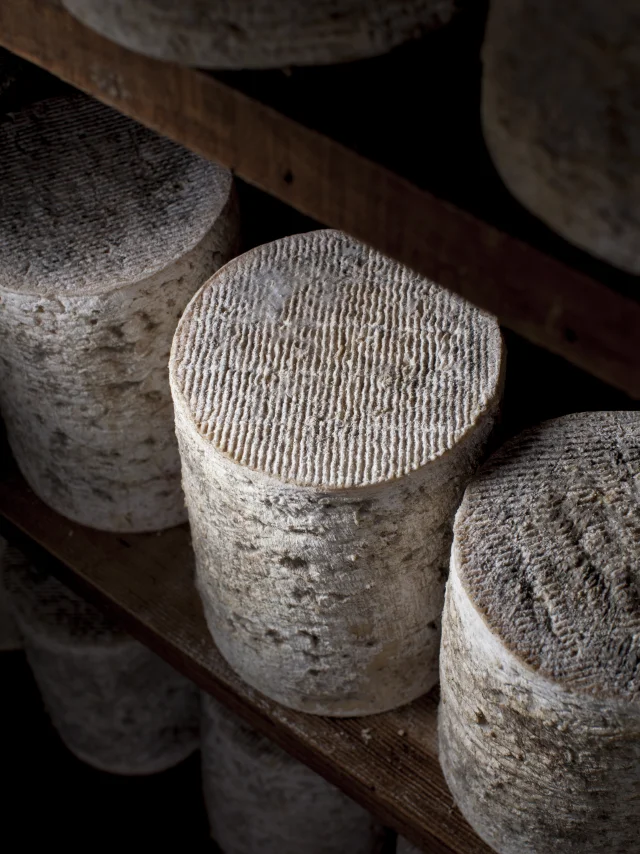
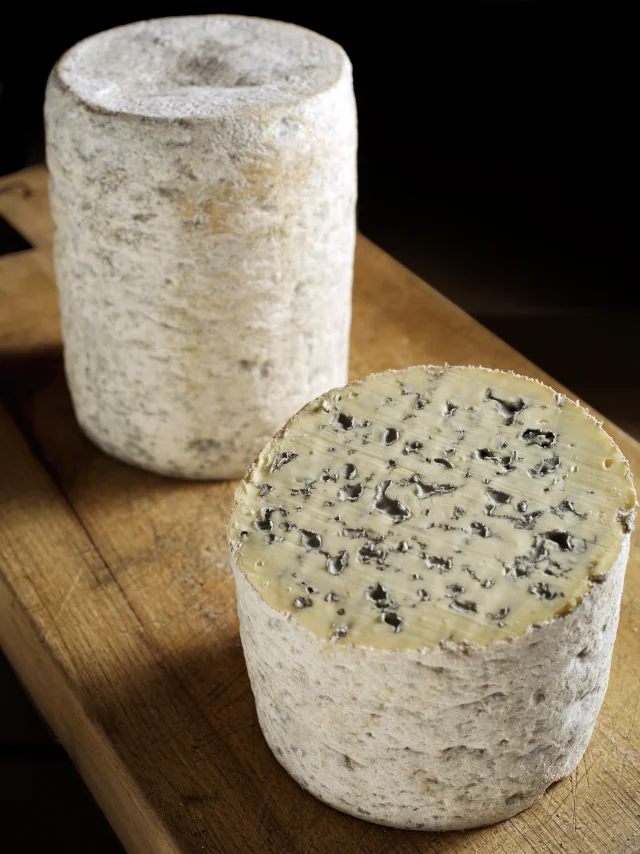
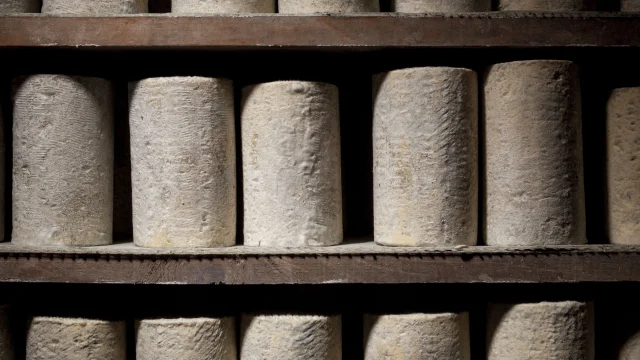
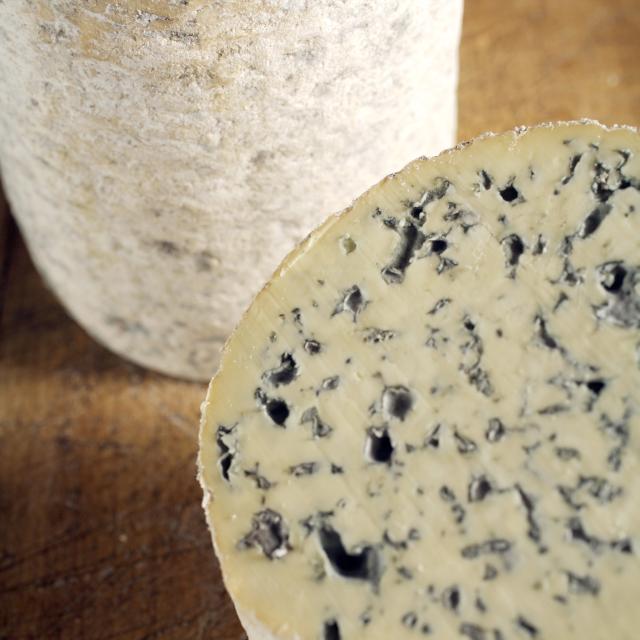
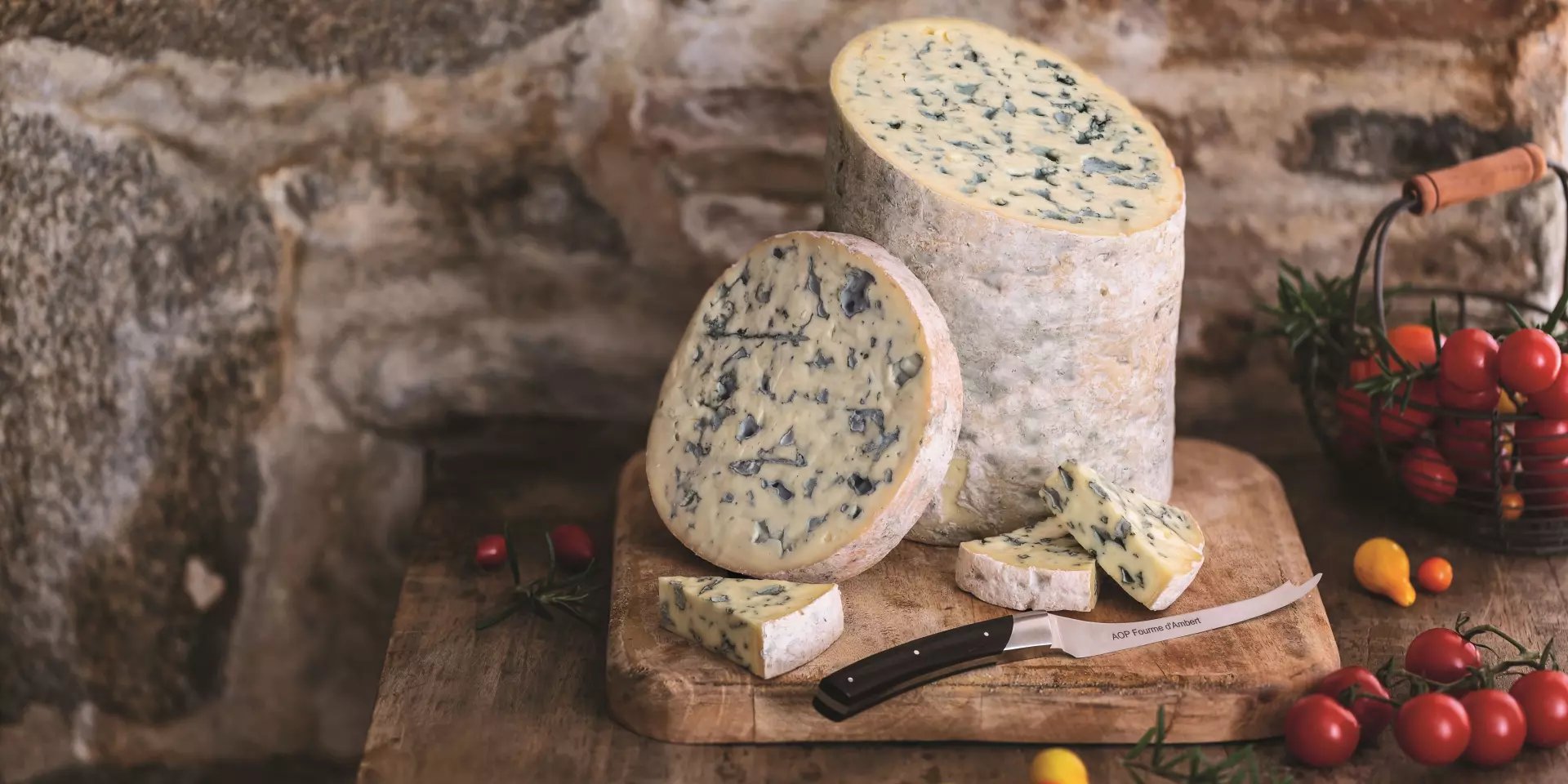
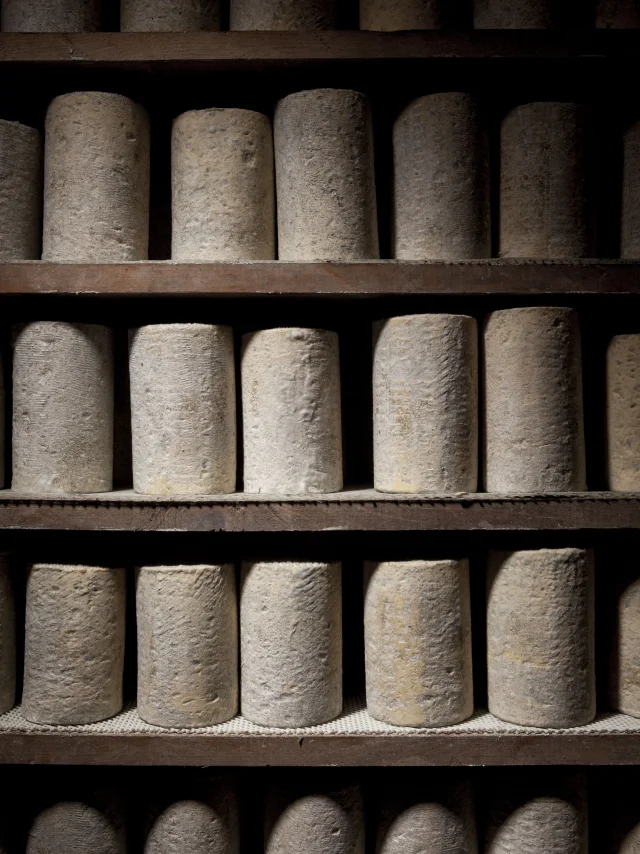
Visually unique, Fourme d’Ambert has a tall cylindrical shape, measuring 17 to 21 centimetres and weighing 1.9 to 2.5 kilograms. Its light grey rind, sometimes marked with white, yellow, red and bluish mould, encloses an ivory-coloured paste with blue to green spots, enriched with Penicillium, giving it at least 50% fat.

On the palate, Fourme d’Ambert offers a perfect balance between fruity sweetness and light saltiness, without being overpowering. Its creamy texture, combined with its delicate flavour, sets it apart from other blue-veined cheeses, making it a culinary delight that is both subtle and rich in flavour.
The origins Fourme d'Ambert cheese

Fourme d’Ambert, with its rich history, is a traditional French cheese dating back to Gallo-Roman times. The druids used it during ceremonies at Pierre-sur-Haute in the Forez mountains. This blue-veined cheese, made from cow’s milk and not pressed, has evolved over the centuries, adapting to social changes.

In the 18th century, Fourme d’Ambert was used as a bargaining chip in the Monts du Forez, in particular to rent out the jasseries, the high-altitude shelters where it was traditionally made. With the arrival of cheese dairies in the XXᵉ century, production techniques were modernised, improving the quality of the cheese.

Obtaining the AOC label in 1972 and the PDO label in 1996 strengthened the recognition of Fourme d’Ambert, protecting itstraditionalproduction methods. Today, production is flourishing in the Puy-de-Dôme, Cantal and Loire departments, with several thousand tonnes produced every year. The fruit of the labours of many dairy farmers and cheesemakers, Fourme d’Ambert continues to be celebrated in France and abroad, perpetuating its age-old heritage.

Did you know? Penicillium Roqueforti, The blue secret of cheese

Penicillium roqueforti is a type of mould, a microscopic fungus that plays an essential role in the production of some famous cheeses. This mould is not only edible, it is also beneficial and gives cheeses their unique character. In cheese making, Penicillium roqueforti is what gives blue cheeses their distinctive colour and taste. Cheeses such as Roquefort, Bleu d’Auvergne and Fourme d’Ambert owe their blue-green appearance and distinctive flavour to this mould.

How do you enjoy Fourme d'Ambert cheese? Food and wine pairing

Tasting Fourme d’Ambert is an enriching culinary experience, thanks to its varied gourmet combinations and its associations with bread, wine and beer. This mild, creamy blue cheese, with its subtle notes and melt-in-the-mouth texture, goes wonderfully well with a variety of accompaniments.

Wine and beer

In terms of drinks, Fourme d’Ambert goes well with certain wines and beers. A dry white wine, such as a Chardonnayfrom the Côtes d’Auvergne AOC, with its fruity, floral notes, complements the cheese perfectly. For red wine lovers, an IGP du Puy-de-Dôme Pinot Noir, with its slightly spicy undertones, offers a well-balanced match. If you prefer beer, an Artisanal Blonde Ale, rich in hoppy and fruity aromas, creates a refreshing and original marriage with the cheese.

Bread

To enjoy Fourme d’Ambert, choose a bread that complements its unique flavours. A crusty baguette, rustic farmhouse bread or rye bread are excellent choices. Lightly toasted gingerbread also offers a delicious sweet contrast.

Gourmet pairings

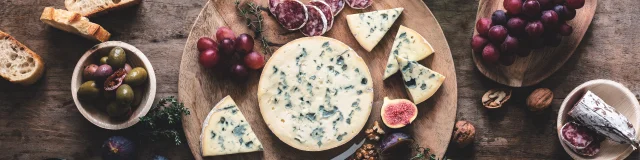
Fourme d’Ambert pairs perfectly with fresh fruit such as sliced pears or apples, adding a refreshingly sweet touch. Dried fruit, such as walnuts or figs, offer a contrast of textures and flavours that enhance the sweetness of the cheese. Fourme d’Ambert can also be incorporated into salads, melted over meats or added to pasta and risottos for a gourmet touch.

Manufacturing secrets Fourme d'Ambert cheese

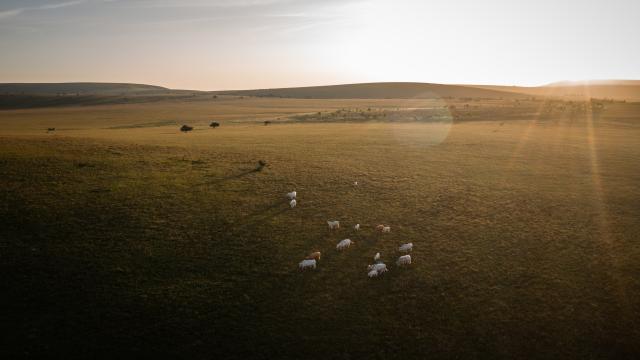
Fourme d’Ambert, a renowned French cheese, is made according to a traditional, strictly regulatedprocess. This blue-veined cheese is made from high-quality cow’s milk, from animals grazing for at least 150 days a year in the appellation region. In winter, their diet consists of local fodder free from GMOs and palm oil, ensuring the purity of the milk.

1Penicillium Roqueforti
  • The crucial stage in the production process involves the addition of Penicillium Roqueforti, a fungus necessary for the development of the cheese’s characteristic blue veins. To provide the oxygen needed for the fungus to grow, the curd is cut and stirred, creating spaces during the moulding process.

2Draining
  • Once moulded, the Fourme d’Ambert is drained without pressing for 24 to 48 hours, then salted on the surface. After four days, it is pricked with large needles to create aeration channels, encouraging the development of blue mould.

3Maturing
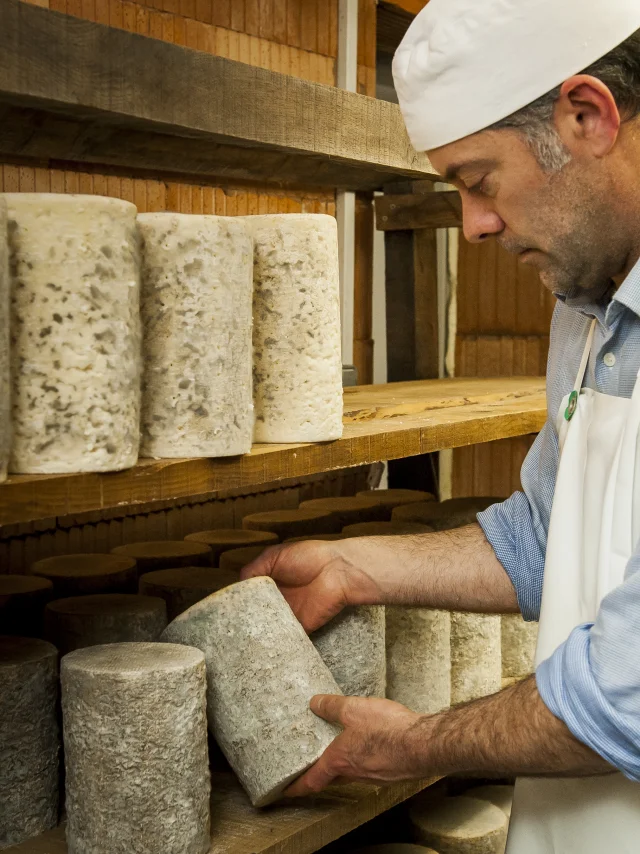
  • The cheeses then spend at least 28 days in maturing cellars, where they acquire their creamy texture, sky-blue colour and distinctive flavour. Each cheese is the result of a combination of traditional craftsmanship and strict quality standards, making Fourme d’Ambert a product of excellence appreciated far beyond its regional borders.

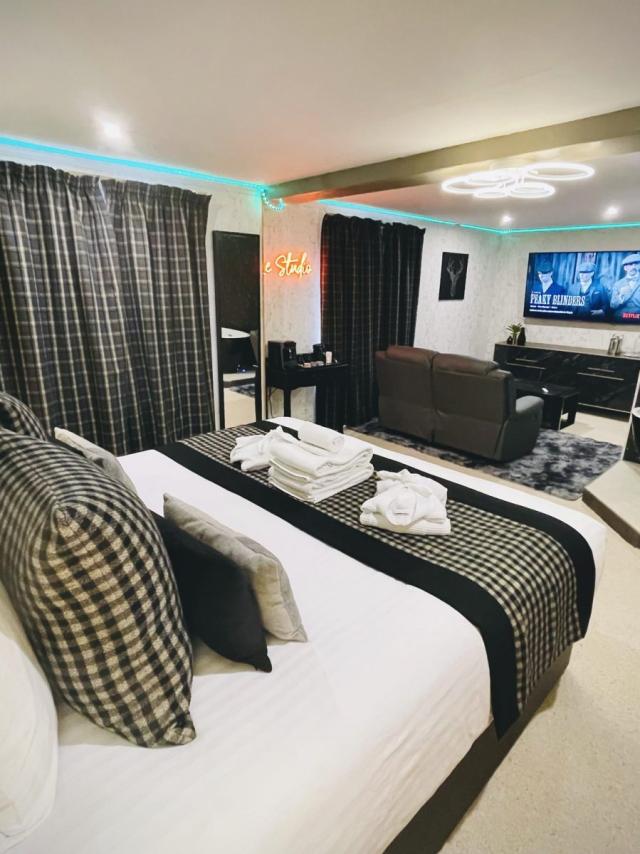
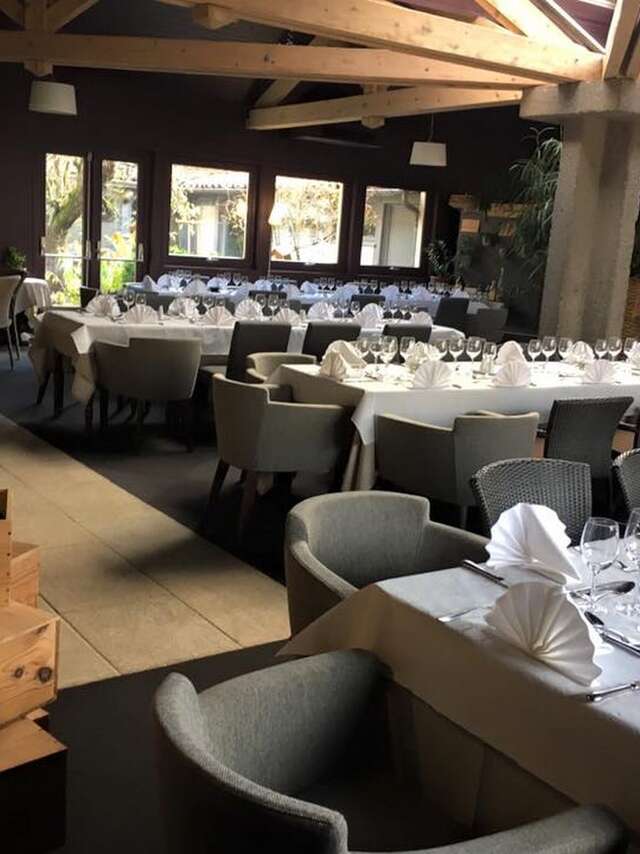
Accommodation and restaurants in Ambert

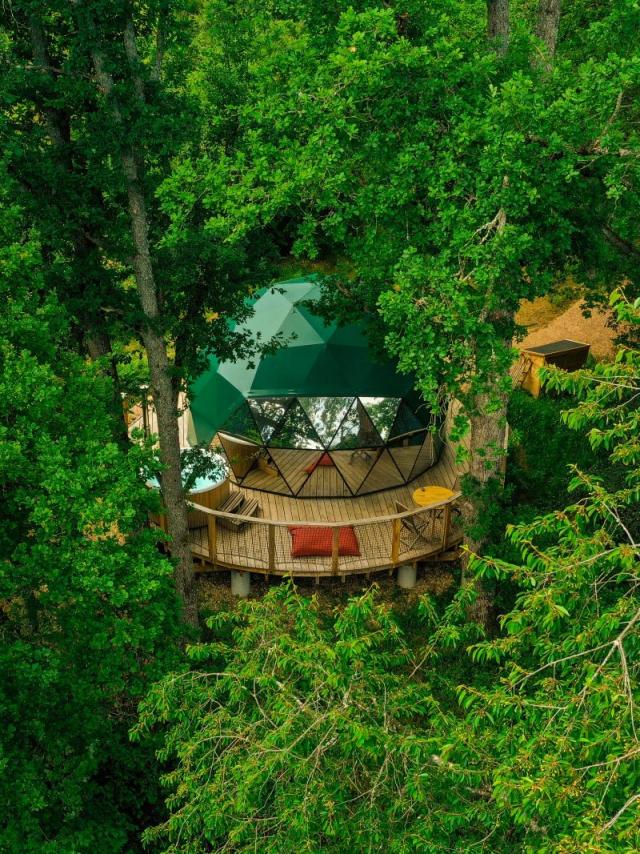
To make the most of this exceptional weekend, find accommodation and restaurants around the town of Ambert.

Must-do activities d'Ambert

The House of Fourme d'Ambert

The Maison de la Fourme d’Ambert et des fromages d’Auvergne offers an authentic insight into the world of this traditional cheese. The guided tours, offered twice a day at 11.00 and 15.30, last 45 minutes and explain the history and production process of Fourme d’Ambert cheese. They include a tasting session in the cellar and an exploration of the Jasseries through a detailed model.

Farm visits

Some producers, such as GAEC RODARY – L’AMBERTOISE, offer direct farm sales. It’s an opportunity to get even closer to these passionate people, who are keeping an age-old tradition alive. If you go through the door of the GAEC’s shop, you’ll be able to see how Fourme d’Ambert cheese is made, thanks to a large bay window overlooking the production room.

The festivities around the Fourme cheese

In July, the Fourm’idables picnics combine the pleasure of an open-air meal with the discovery of local flavours, in the presence of chefs and local produce. And don’t miss the Fourmofolies in Ambert in August! It’s a weekend of festivities, with cheese-making demonstrations, concerts, street shows and activities for all ages. Visitors can enjoy a variety of tastings and innovative recipes prepared by renowned chefs.