Moulin Richard de Bas Ambert 18Moulin Richard de Bas Ambert 18
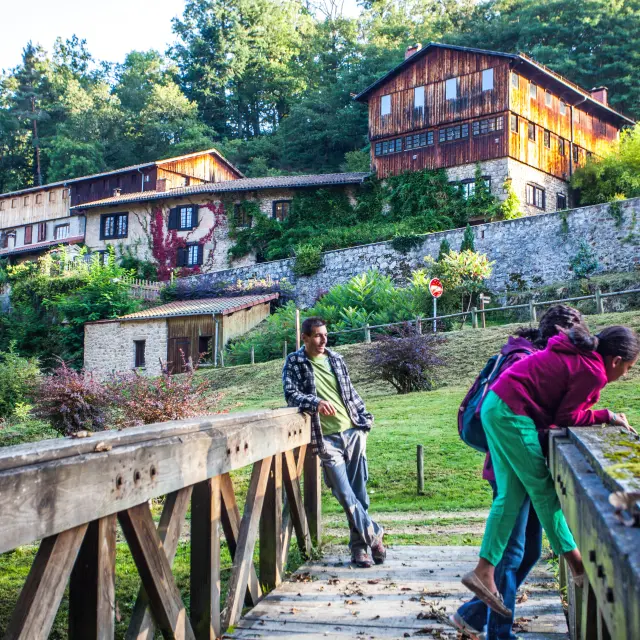
©Richard de Bas mill in Ambert |© Denis Pourcher

Ambert and its Moulin Richard de Bas

Discover the town of Ambert in Auvergne, the birthplace of paper in France.

Nestling in the heart of the Livradois-Forez Regional Nature Park, the town of Ambert embodies a chapter in the history of the French paper industry that is still too little known. Renowned for its rich and diverse heritage, Ambert stands out not only for its unique architecture, but also for its leading role in the development of the paper industry since the Middle Ages.

Let yourself be seduced by the must-see Moulin Richard de Bas, the true guardian of this centuries-old tradition. It’s more than just a mill; it’s an emblem of local know-how, a witness to the evolution and persistence of an ancient art. It’s time to embark on a journey through time and discover how Ambert has influenced the history of paper in France.

Explore the historic heritage d'Ambert

You may not know it, but Ambert is a medieval town that has made a significant contribution to the history of papermaking in France.
From the Middle Ages onwards, Ambert established itself as an important centre of papermaking, influencing the production methods that defined that era.
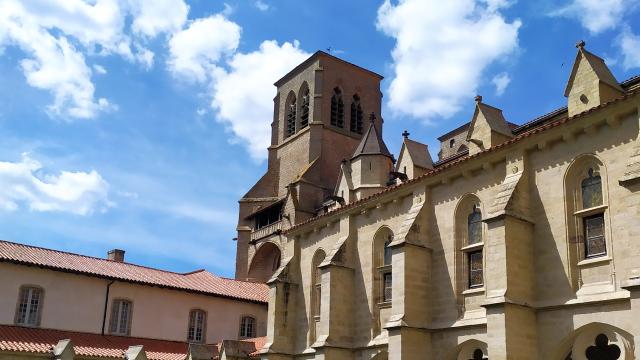
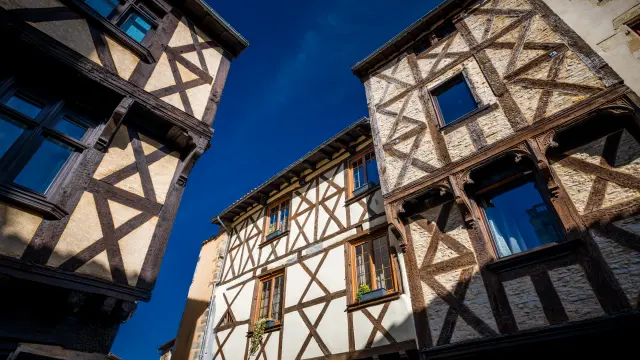
A stroll through the medieval quarter, with its narrow streets and ancient buildings, will take you back to a flourishing period when paper mills lined the banks of the River Durolle, using its energy to transform rags into precious sheets.
Over the centuries, thepaperindustry has left an indelible mark on the town, shaping its identity and economy. Today, Ambert celebrates this heritage through its museums and cultural centres, such as the Moulin Richard de Bas and the Moulin de Nouara.
Discover the Richerd de Bas paper mill, the oldest mill in France

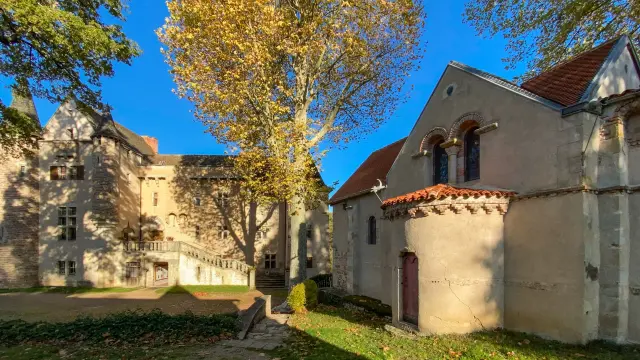
Located in the Dore Valley, the construction of Moulin Richard de Bas is thought to date back to the XIVᵉ century, a time when paper mills were beginning to develop in France. Its name comes from the Richard family of papermakers who, in the XVᵉ century, played a crucial role in the region’s paper production.
Can you imagine that in the XVIIᵉ century, the valley was home to almost 400 mills! This concentration of mills not only reinforced Ambert’s importance in the paper industry but also contributed to the economy and culture of the whole region.

Admire the unique architecture du Moulin Richard de Bas

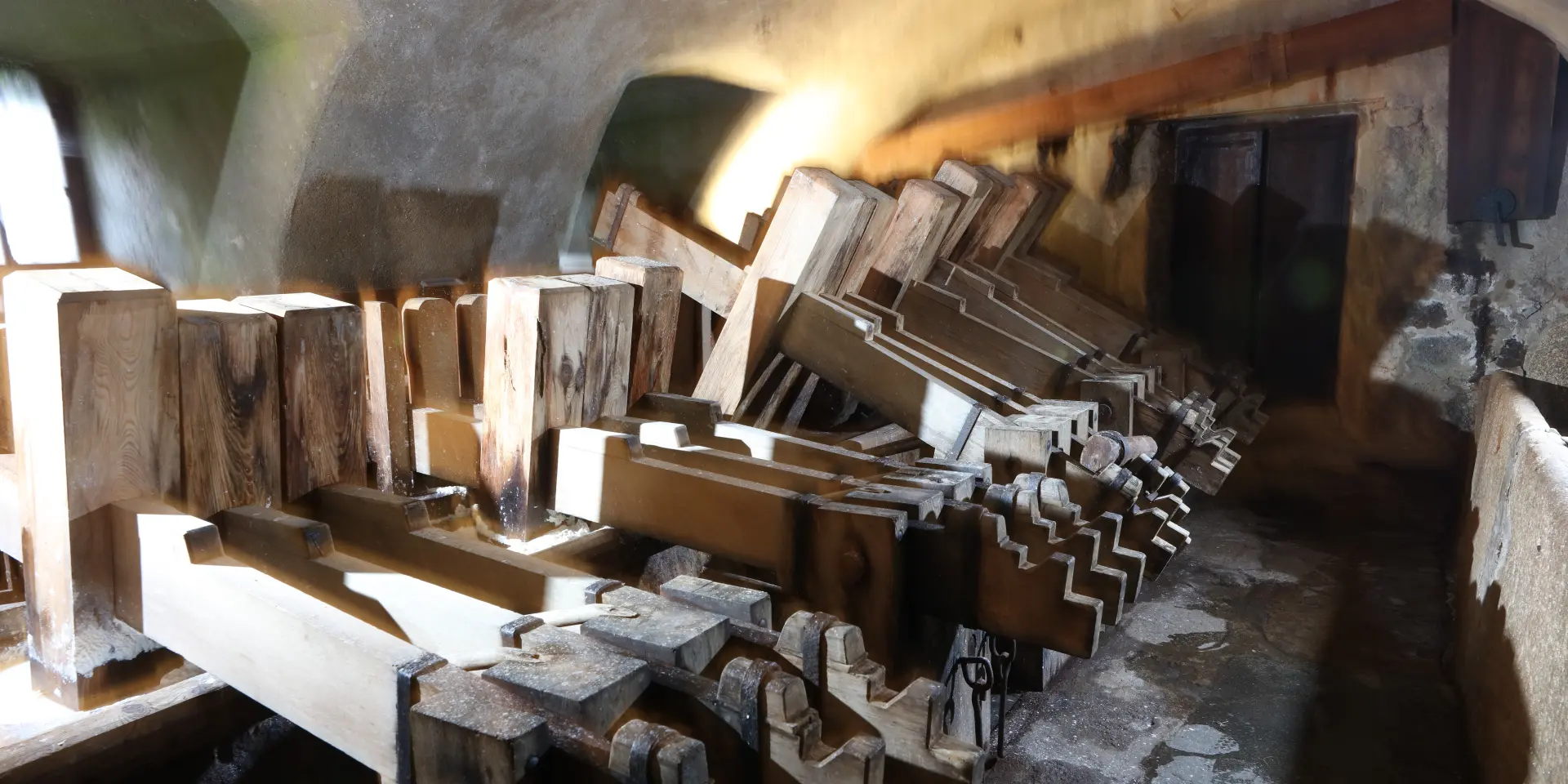
It cannot be repeated often enough: the Richard de Baspapermill is a jewel in the history of the paper industry. Today, it is the last remaining working paper mill in France. The architecture of the mill is simple and typical of rural buildings in the region. Its large wooden wheel, which powers the entire papermaking process, is a marvel of old-world engineering. Despite the arrival of modern paper-making machinery towards the end of the XVIIIᵉ century, Richard de Bas Mill has managed to preserve its original mechanism. Today, the mill houses a museum where you can find out how paper was made the old-fashioned way, giving you a taste of this age-old art.

The Richard de Bas Mill in Ambert : timeless expertise

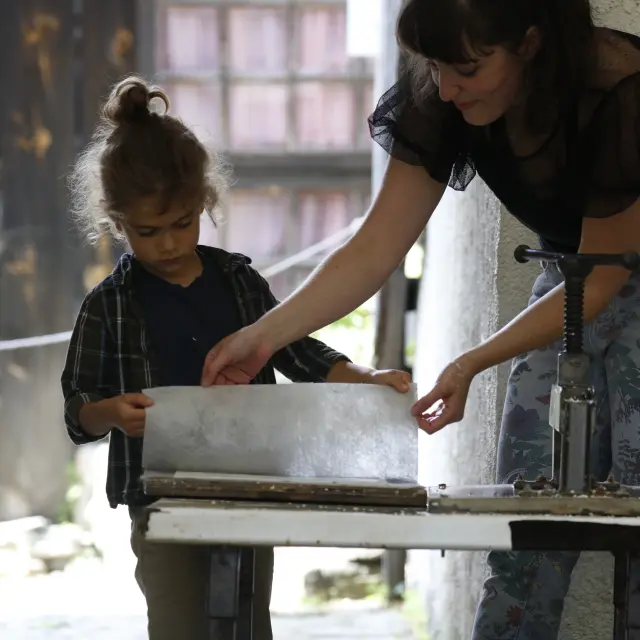
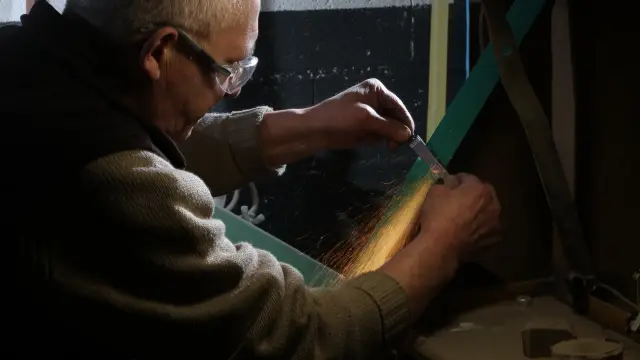
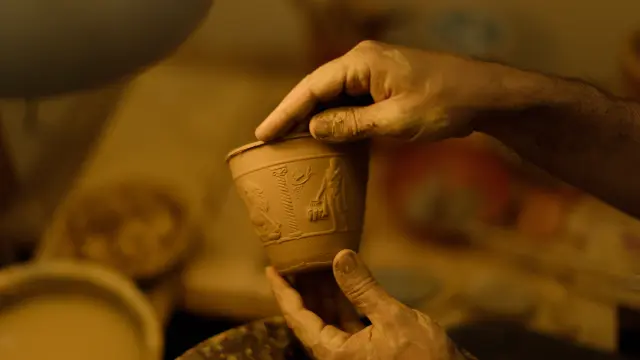
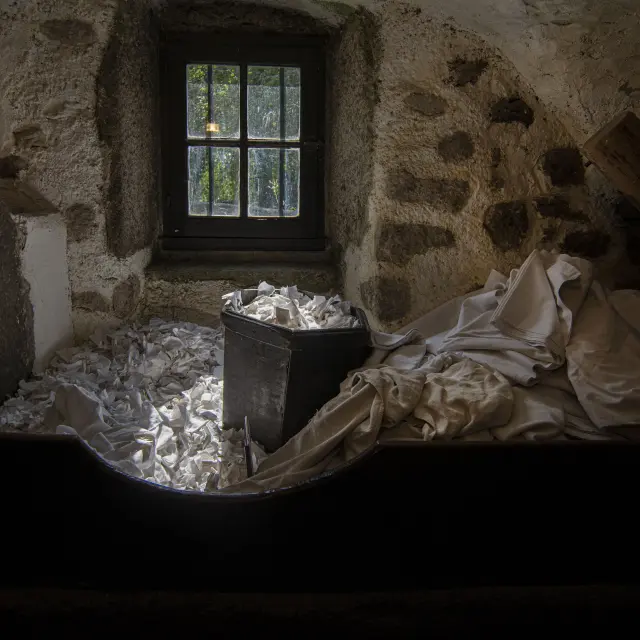
Today, at Moulin Richard de Bas, paper is made the old-fashioned way. Instead of wood, old cloth rags are recovered and transformed into paper. The water from the stream turns the mill’s large wheel around twenty-five times a minute. After thirty-six hours of grinding, the rags become a paste that is then filtered and sieved to form sheets of paper.

While everything is getting faster and faster, at Moulin Richard de Bas, we take the time to make paper slowly. That’s how we keep the know-how and tradition alive.

Today, the mill attracts 40,000 visitors every year from all over France to discover these ancient techniques.

Accommodation and restaurants in Ambert

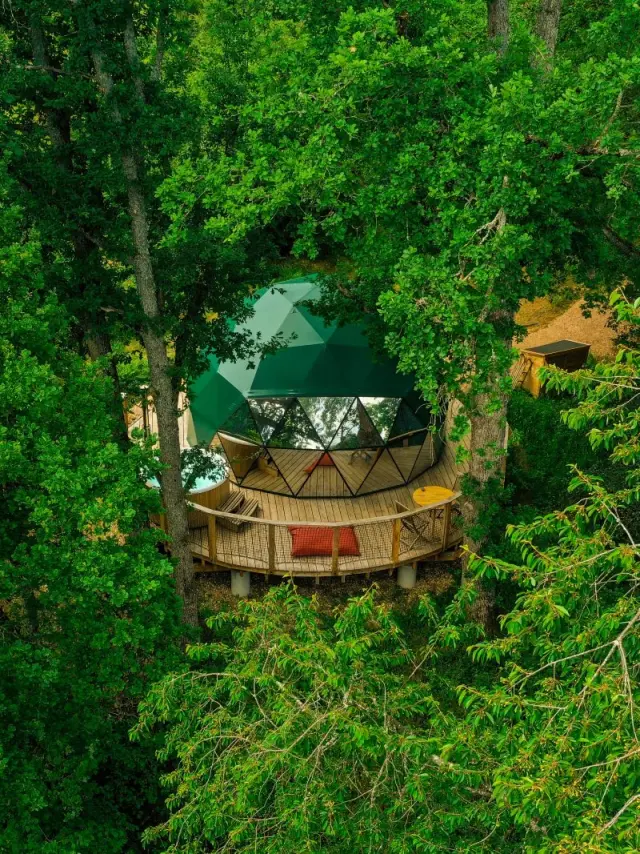
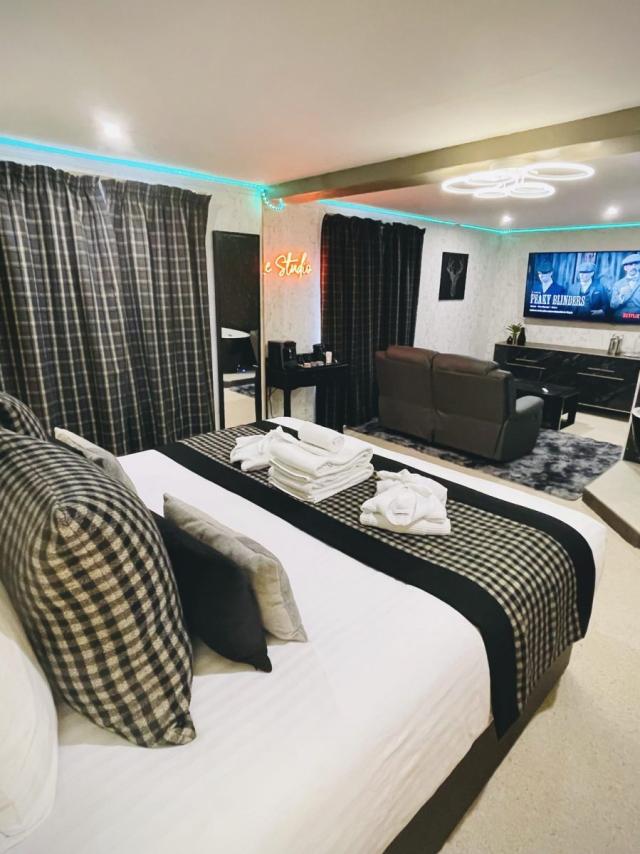
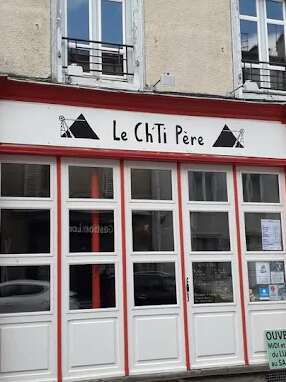
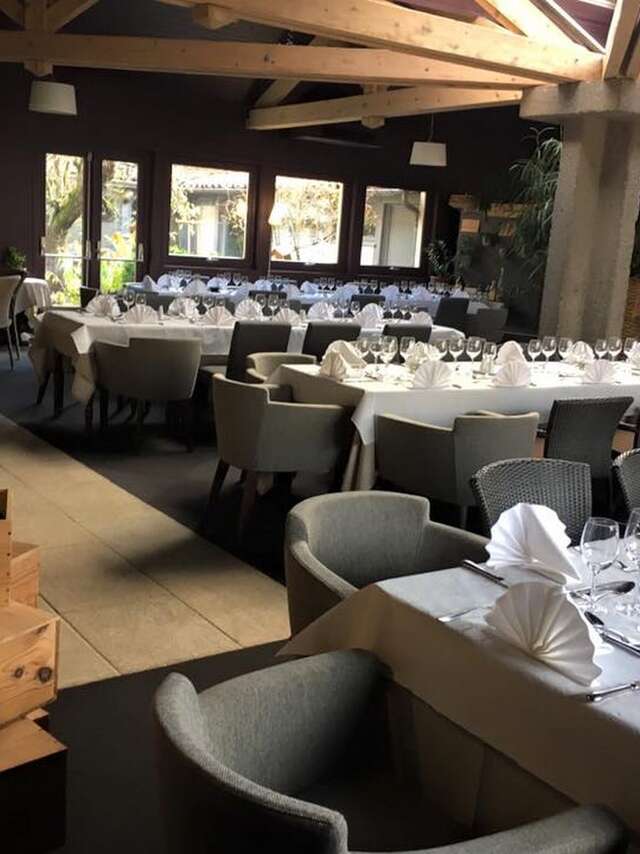
To make the most of this exceptional weekend, find accommodation and restaurants around the town of Ambert.

With the decline of the traditional paper industry, the Richard de Bas Mill owes its survival and revival to Marius Péraudeau, a visionary man who bought it in 1941 and rescued it from oblivion. Péraudeau, already well established in the paper industry, decided to revive traditional papermaking in 1942. In 1943, the paper mill opened its doors to the public, transforming this production area into a living museum. That same year, Marius Péraudeau founded Editions Elzivir, laying the foundations for the “Que sais-je” publishing house, and continued to innovate and improve the mill, including restoring its emblematic wheel. Since then, no fewer than three million visitors have passed through the mill’s gates to discover the history and techniques of the paper industry, and you could be next.

Collaborations over the years

Over the decades, Moulin Richard de Bas has never ceased to work with the cultural world. The most famous collaboration is undoubtedly with the artist Salvador Dali for the book“L’Apocalypse de Joseph Foret“, produced in a single copy. All but one of the leaves in this book are parchment… This single leaf was made by Salvador Dali and Marius Péraudeau in Paris.
Leaves from Moulin Richard de Bas were also used for the limited edition lithographic reproductions of Picasso. A watermark saying “this is a reproduction” was even included, as the quality of the paper was so reminiscent of an original.

Activities not to be missed in Ambert

Shop

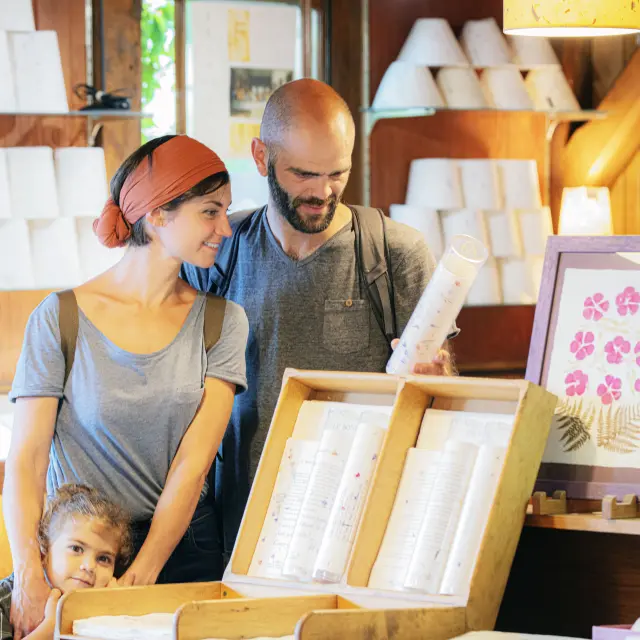
Before you leave, why not stop off at the mill shop. It offers a variety of products made from paper produced on site. Beautiful notebooks, single sheets, writing paper and printed texts are all available… enough to make you want to pick up your pen again!

Visit the House of Fourme d'Ambert

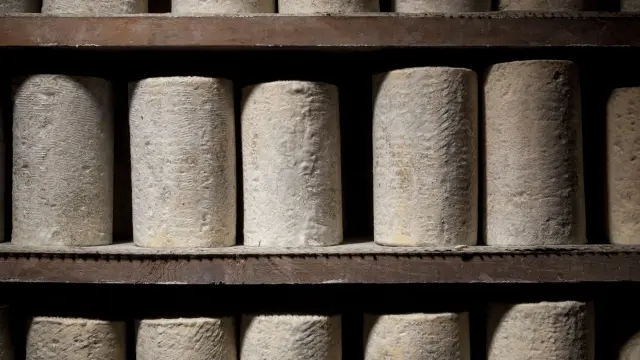
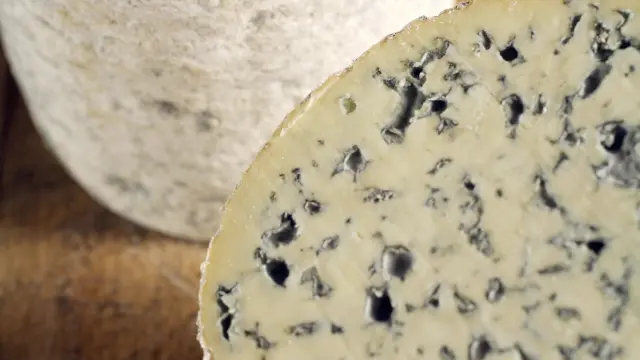
Located right in the centre of the town of Amber, discover the history of Fourme d’Ambert cheese on a 45-minuteguidedtour, or on your own, as well as how it is made. After a tasting break in the cellar, take a tour of the Jasseries using an incredible scale model.

Tourist trains AGRIVAP

A day in Ambert and the Moulin Richard de Bas is an unforgettable experience that combines discovery, learning and creativity, so why stop there? Get on board the AGRIVAP tourist trains that run between Ambert and La Chaise-Dieu and continue the adventure!

Did you know?

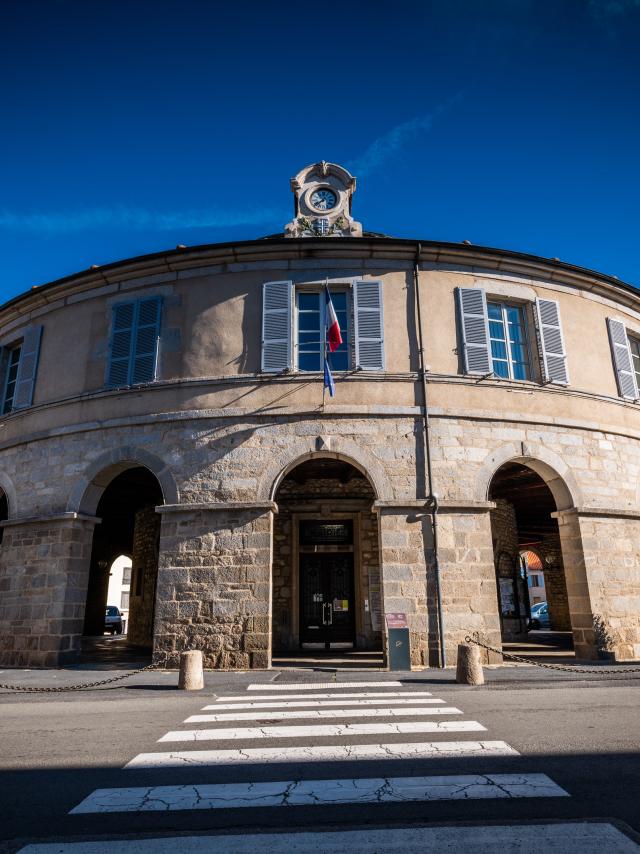
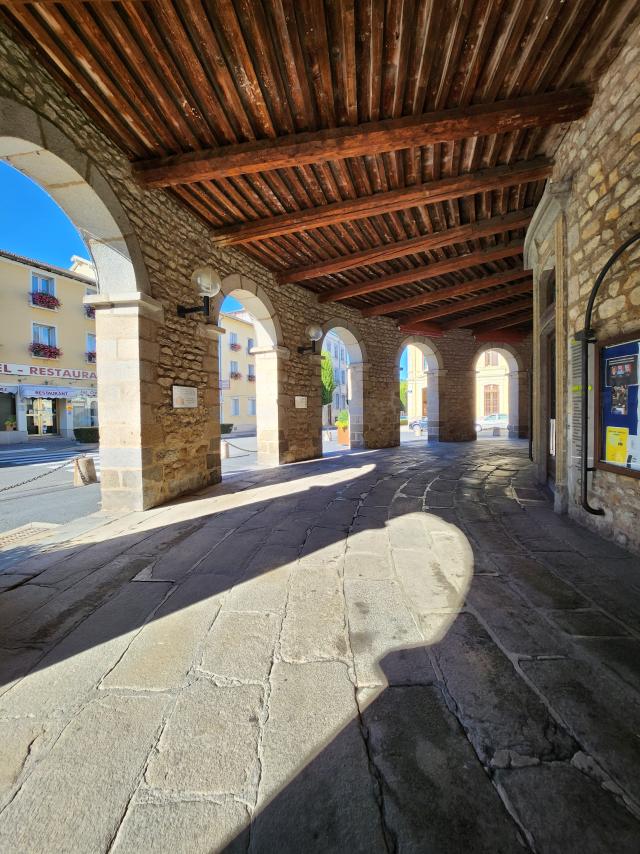
Why not take advantage of your visit in the footsteps of the paper makers to discover Ambert’s round Town Hall. This monument, unique in Europe, has a history as fascinating as its unusual shape. Launched in 1816, this circular structure was originally intended to be a grain market, freeing the Saint-Jean church from this function. However, it wasn’t until 1827 that it took on its current role as the town hall, after numerous debates and changes of plan. Its architecture, inspired by the Paris wheat market, remains a mystery as to its original designer.

After surviving a lack of funds and multiple phases of construction, the round Town Hall has become an emblem of Ambert. It now houses the town’s administrative services and a room for town councils. In the centre, there is a private wedding hall, and on the ground floor, a circular exhibition. The round Town Hall, listed as a historic monument in 1975, was even immortalised in the novel “Les Copains” by Jules Romains in 1913. This architectural jewel is open to visitors, so don’t hesitate to drop in!