Moulin Richard de BasMoulin Richard de Bas
©Moulin Richard de Bas | © Denis Pourcher

Know-how and crafts

Diving into Auvergne crafts: the unique pleasure of doing it yourself

The Livradois Forez region’s culture, built heritage and economic activity have all been shaped by the history of its craft traditions. This is true of Gallo-Roman sigillata, 15th-century Thierno cutlery, paper-making, lace-making, stonework, stained glass, and so many otherrecognisedAuvergne crafts.

You can discover them nowadays by visiting museums or exhibitions, or by taking part in workshops, but they are still very much alive and well, and provide a livelihood for passionate craftspeople. All this know-how is available to visitors, who can plunge their hands into the extension of these craftsmen’s hands and extract their own unique piece. How satisfying, isn’t it? And what’s more, it will be an exclusive and incomparable souvenir.

The 

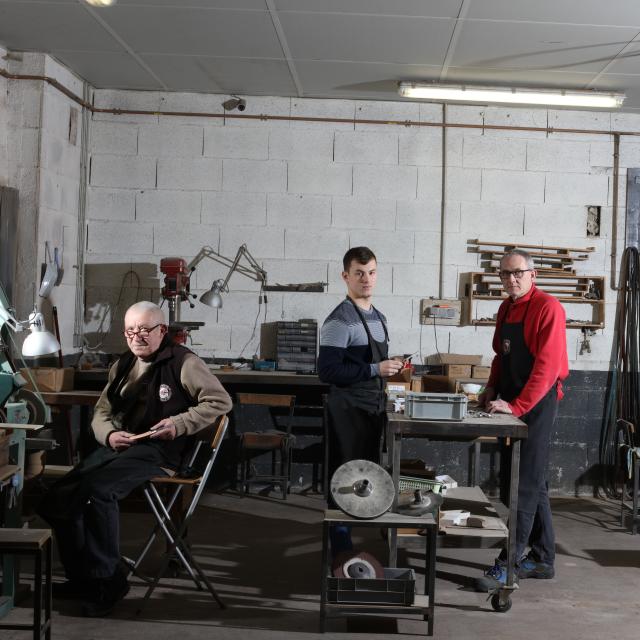
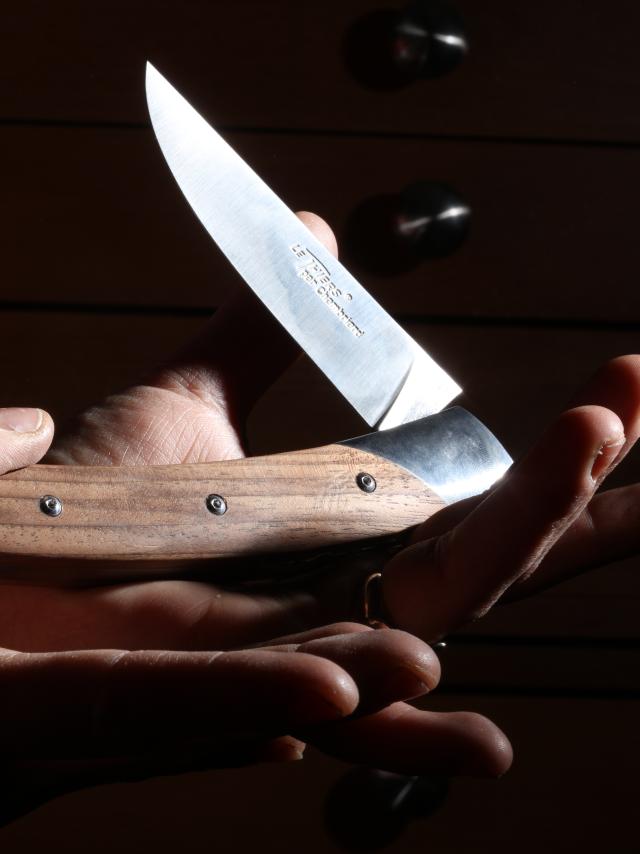
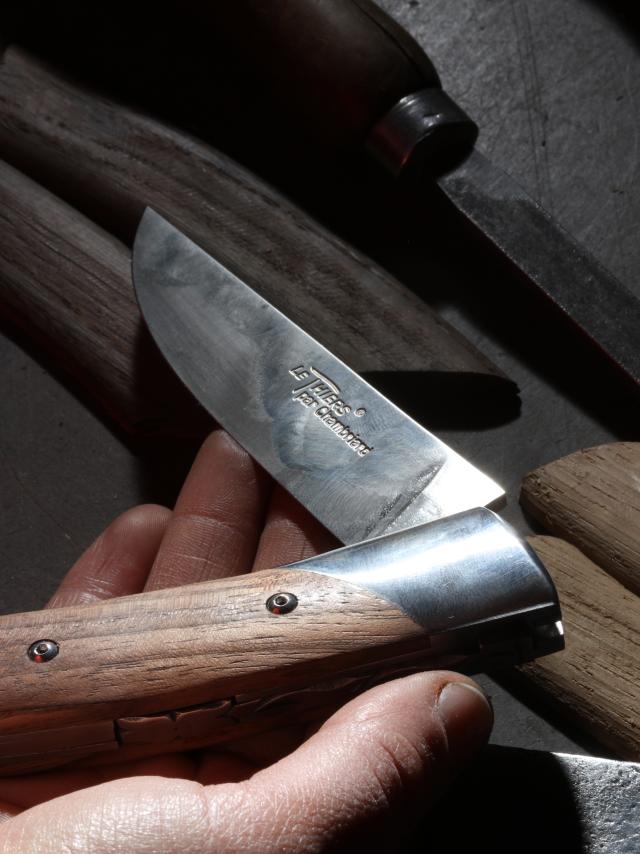
Thiers remains a vital centre for the cutlery industry and crafts in the Auvergne, accounting for around 80% of French production of cutting tools. Considered to be the cutlery capital of France, Thiers has built its reputation on the excellence of its blades, and continues to adapt its methods to new technologies while preserving traditional techniques. Created by the Compagnons fondateurs de la Confrérie du Couteau LE THIERS®, a registered and protected trademark, each knife is a work of art reflecting high standards of quality, traceability, territoriality and professional ethics.

The Auvergne’s built heritage is also marked by this craft. If you go along the Durolle river, you’ll see the old mills and their workshops, known as rouets, where the grinders shaped the blades of knives. To get a feel for the atmosphere and the harsh working conditions, you can also visit the last remaining spinning wheel at “Chez Lyonnet”.
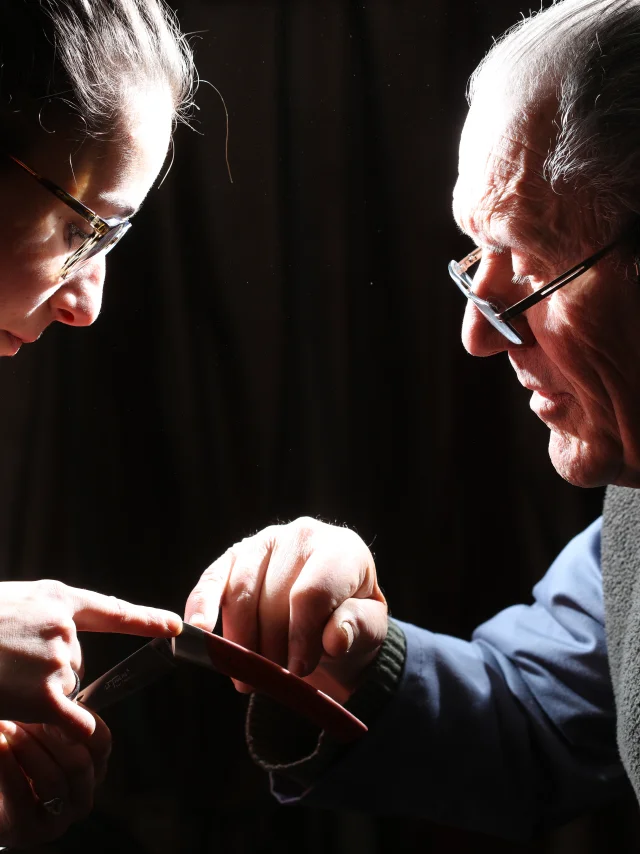
Today, there are both craftsmen working in small workshops and industrial-scale companies exporting all over the world. There are now 80 production units and around 30 subcontractors. Visitors can discover these skills during visits to the workshops, where they can make their own knife. It’s quite an extraordinary experience, and an object that will stay with you for the rest of your life.
Where to build your own knife?

Discover the fabulous cutlery history of Thiers and learn how to make your own knife!

Coutellia

In May, stroll the aisles of Coutellia, the world’s largest cutlery festival, in Auvergne. It brings together exhibitors from all over the world in the capital of knives, all driven by a passion for cutlery: cutlers, barbers, collectors and equipment suppliers.

The Cutlery Museum

All year round, the Musée de la Coutellerie, in Thiers, immerses you in six centuries of a heritage with worldwide influence. The rich collection features works by French and foreign cutlery centres, from the XVIᵉ century to the present day. An invitation to discover the evolution of the knife.

Exceptional paper du Moulin Richard de Bas

The first paper mills appeared in the West in the 13th century. They were soon followed by the paper mills of Ambert and Livradois-Forez, which became the most important paper industry in the kingdom. It remained so until the end of the 18th century. At that time, the valley was home to almost 400 mills!

This concentration of mills not only reinforced Ambert’s importance in the paper industry but also contributed to the economy and culture of the whole region. The history of paper in Livradois-Forez is closely linked totheregion’s economic development, having been used for both writing and packaging during periods of high industrial activity.

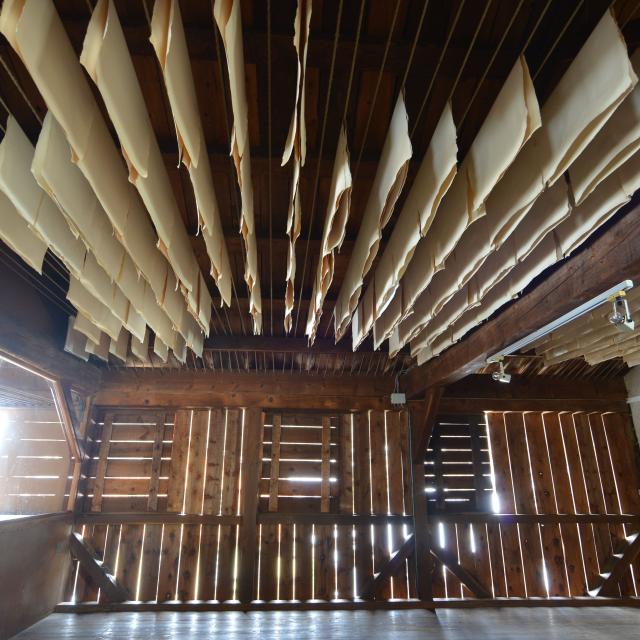
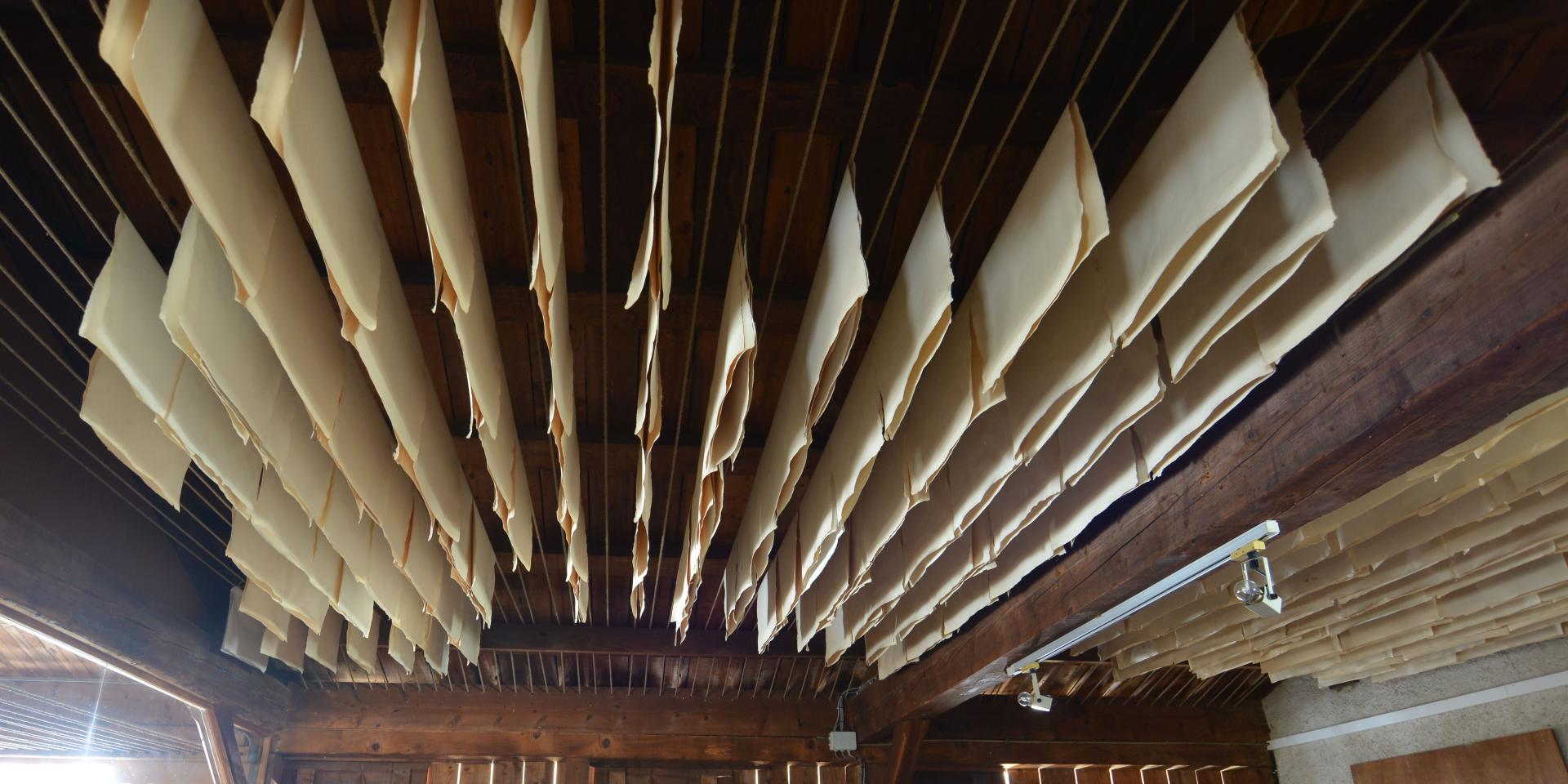
Today, the Moulin Richard de Bas is more than just a mill; it is an emblem of local know-how, a witness to the evolution and persistence of an ancient art. Paper is still made here using ancestral methods. This mill, the last still in operation in the region, produces paper of exceptional quality, prized for calligraphyand art. It has also cultivated artistic and cultural collaborations. The most famous of these was with the artist Salvador Dali for the book “L’Apocalypse de Joseph Foret”, produced in a single edition. Leaves from Moulin Richard de Bas were also used for the limited edition lithographic reproductions of Picasso.

The architecture of the mill is simple and typical of rural buildings in the region. Its large wooden wheel, which powers the entire papermaking process, is a marvel of old-world engineering. Despite the arrival of modern paper-making machinery towards the end of the 18th century, the Moulin de Richard de Bas has managed to preserve its original mechanism. Today, the mill houses a museum where you can learn about old-fashioned papermaking and test your own creativity.

La Dentelle d'Arlanc : A thread between art and history

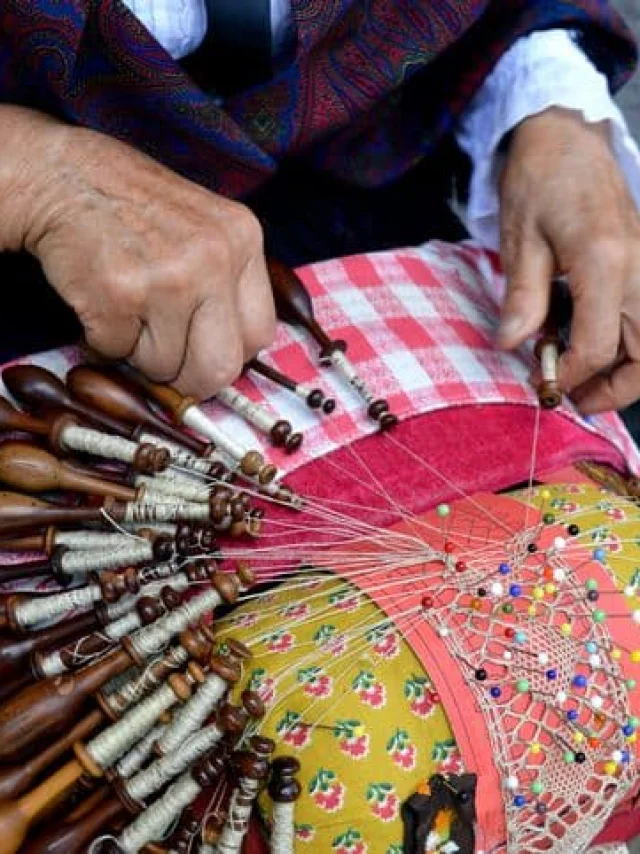
Bobbin and needle lace has been practised for several centuries in the Livradois-Forez region, and more specifically in Arlanc. From the XVIIᵉ century onwards, it followed clothing fashions and adorned blouses, shirts, collars and sleeves. It is very much in vogue and could well, in line with the return of knitwear, become so again!

Do you know the difference between square lace and needle lace? Between Venice stitch and Esprit stitch? If not, then why not visit the Lace Museum, where you’ll learn some totally unexpected things.

More than 500 items from the permanent collection can be discovered in Arlanc by wandering around the four exhibition rooms set in charming vaulted rooms on the ground floor of the town hall and watching the audiovisual documentary. From handmade lace to the industrial know-how of contemporary lace, the Musée de la Dentelle d’Arlanc offers a wide range of creations.

Diamonds, spindles, needles and threads – all the tools of the lace-maker – are on display, as is a working mechanical lace-making machine, on show. It dates from the last century and illustrates the evolution of lacemaking in Arlanc.

Self-guided or guided tours with a guide. There’s also a lace route that takes you through the Puy-de-Dôme and Haute-Loire regions, all the way to Puy-en-Velay, also a major lace centre!

La Poterie de Lezoux : From Gallo-Roman roots to the present day

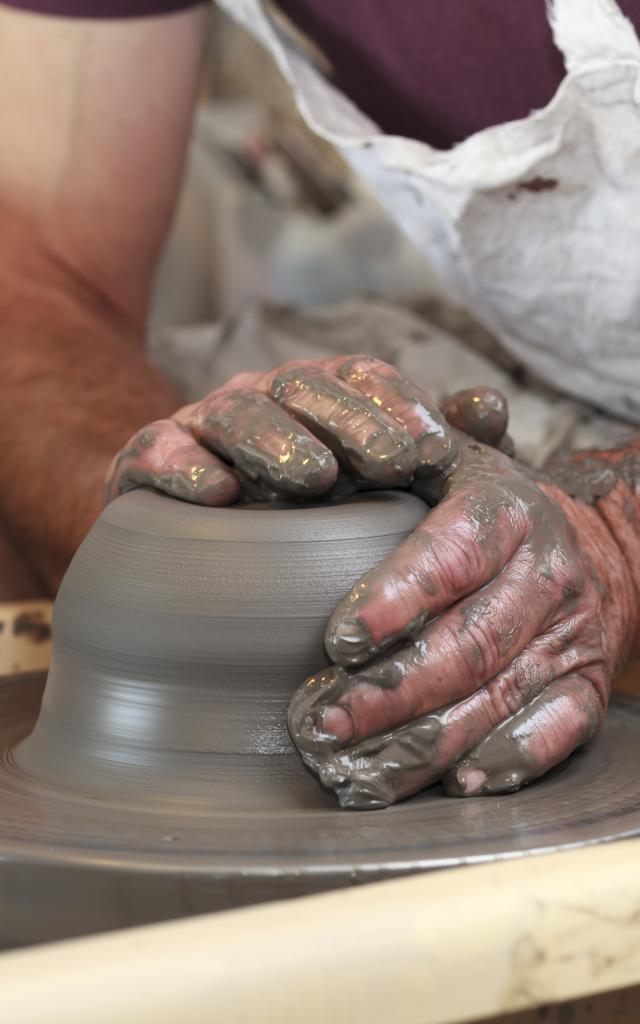
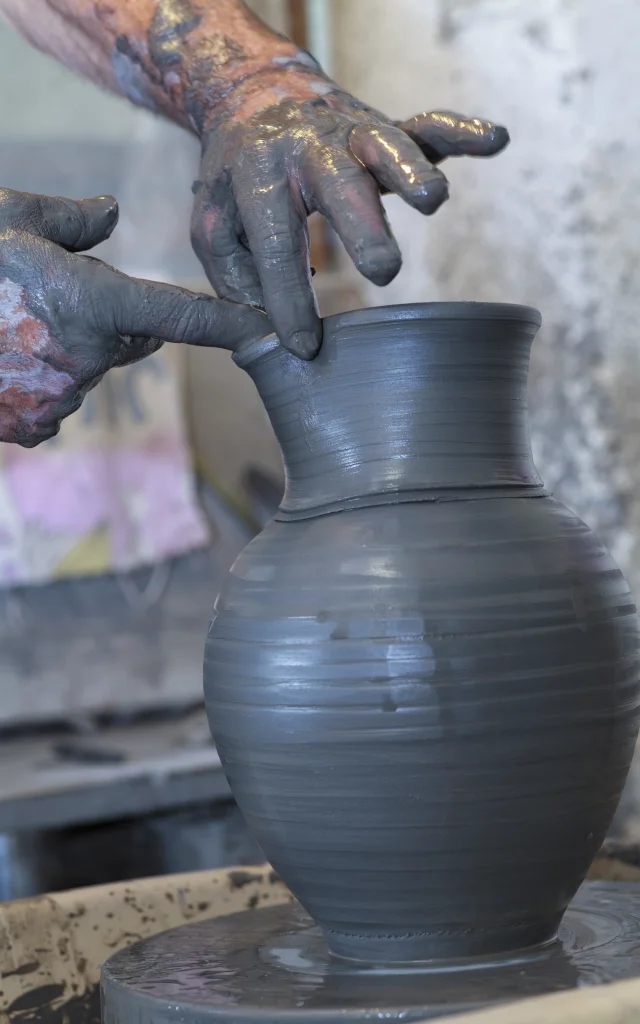
Another renowned Auvergne craft is ceramics. Its origins are lost in the mists of time, but there are traces of it dating back to the VIIᵉ century BC in the West and the VIᵉ millennium BC in the Near and Middle East. Over the centuries, people perfected their ability to shape clay and also discovered the art of firing it. This is what gives their creations a solidity and durability that defy the centuries.

Signet ware can be recognised by its red or orangehue and its relief decoration of mythological or floral scenes. This tableware was highly prized and quite luxurious, and was exported throughout the Roman Empire.

Although ceramic production in Lezoux has declined, contemporary potters in Lezoux draw their inspiration from these age-old techniques. Workshops and exhibitions offer special opportunities for craftspeople to share their passion and techniques with visitors.