




Description
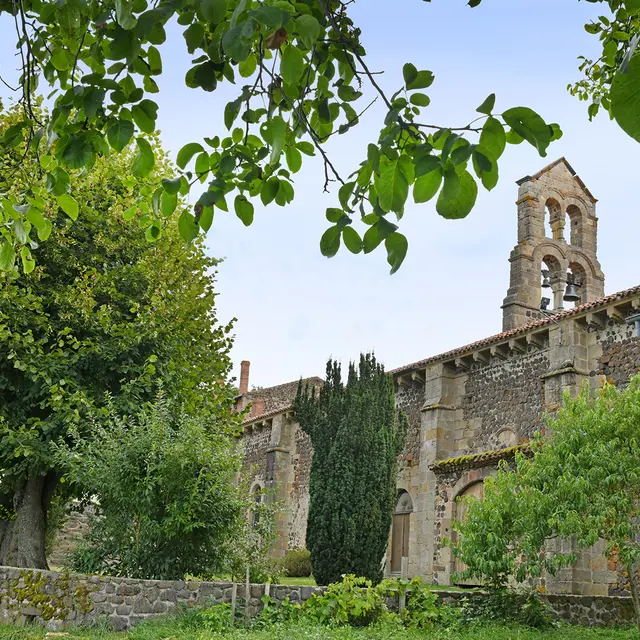
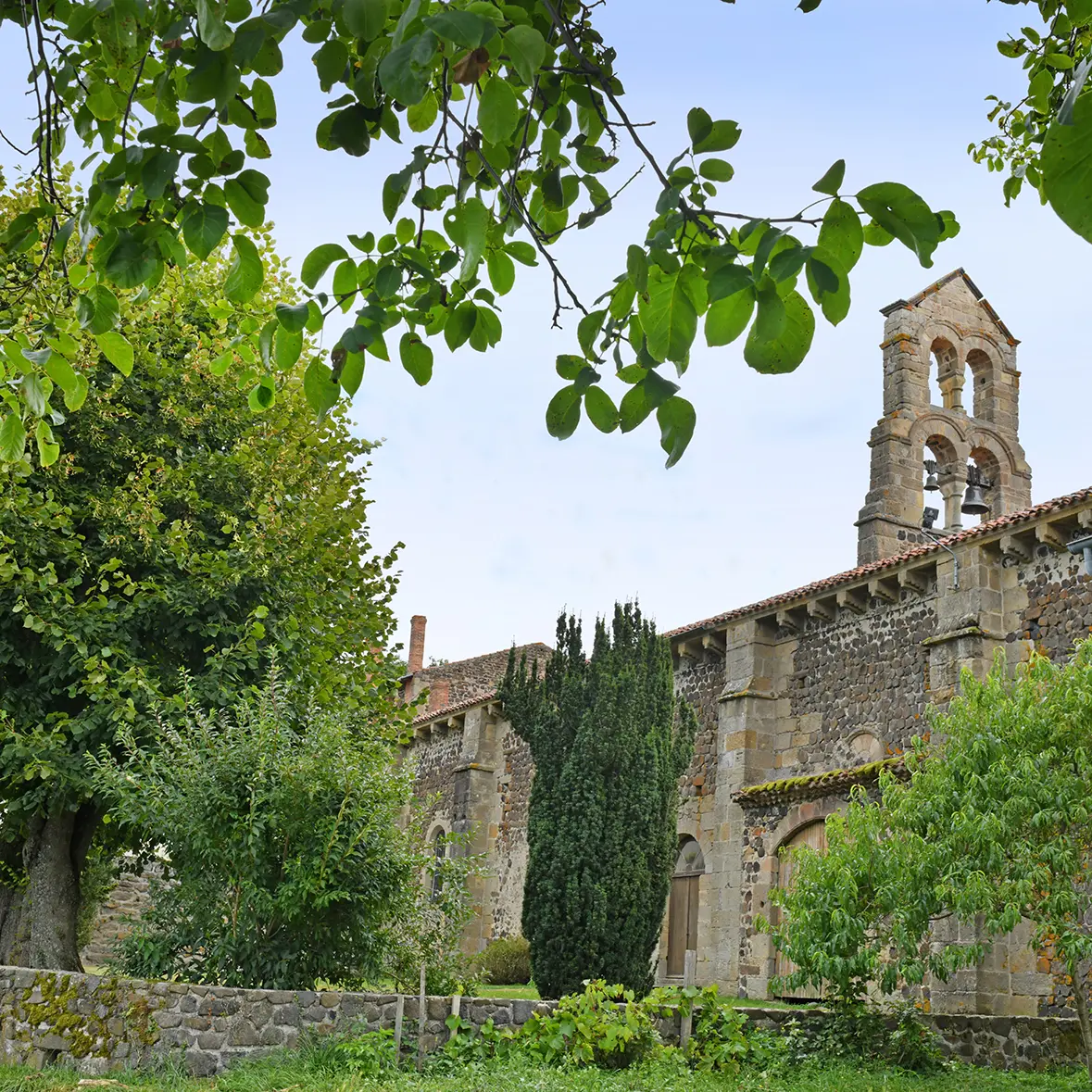
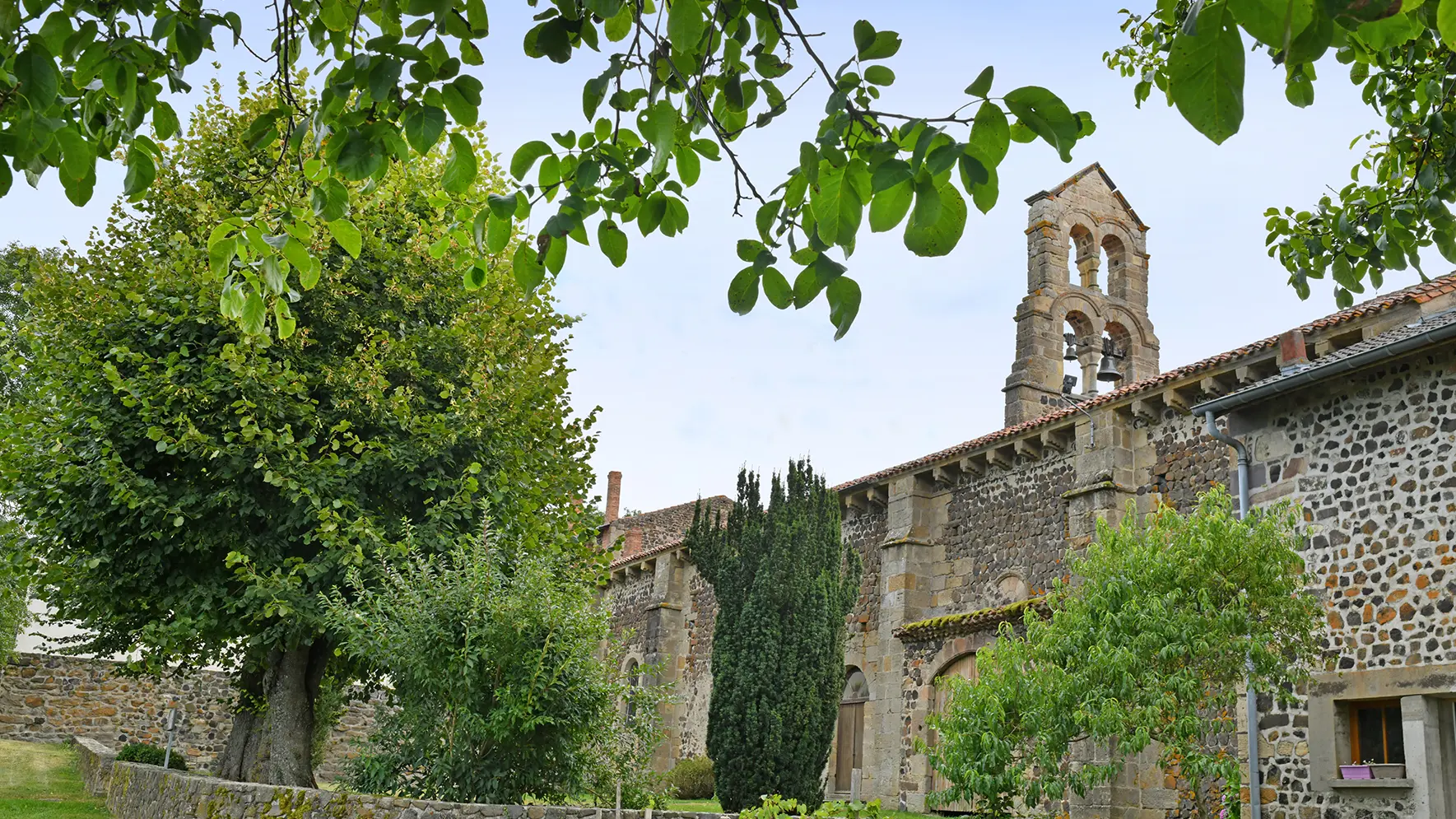
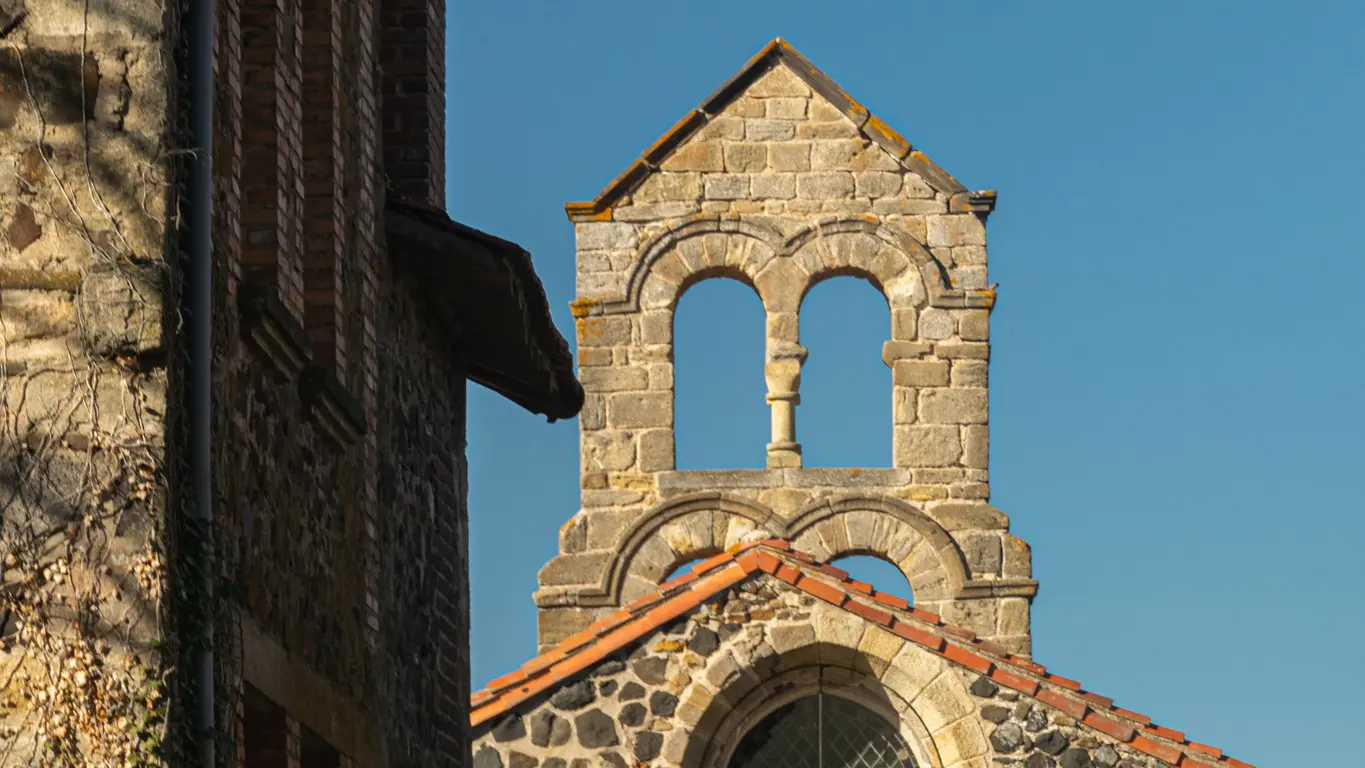
Saint-Jean-Baptiste d'Esteil church, late 12ᵉ or early 13ᵉ century, is of great interest for its sober, harmonious architecture, its wall-belfry, as well as its history stemming from a female priory of Fontevraud (1116-1792).
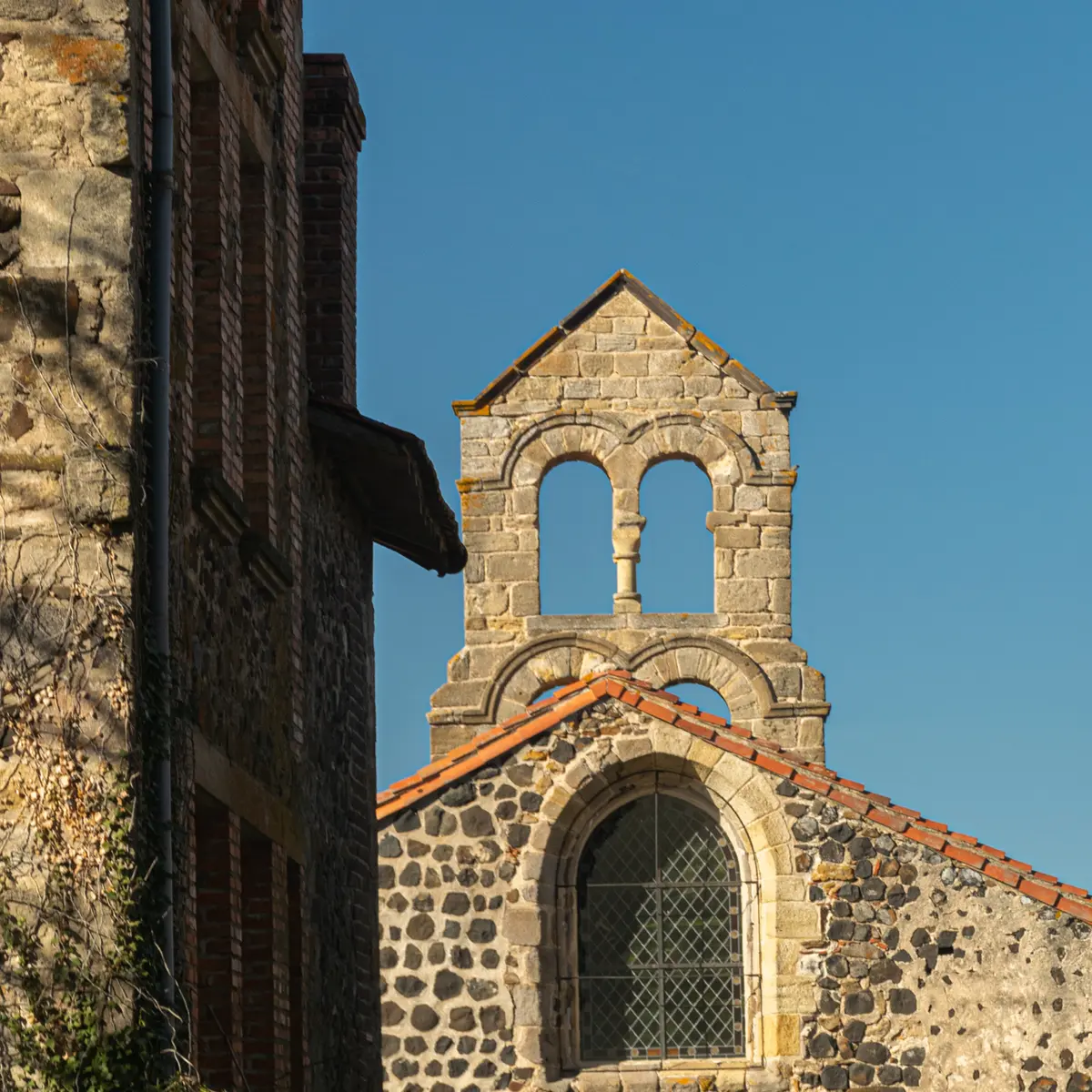
The church comprises a long, single nave of five bays, punctuated by exterior buttresses, interior side arches and a flat chevet. The exterior walls are remarkable for the use of basalt prisms, which characterize most of the facings, with the exception of the frames, buttresses and cornices on chip modillions, built in arkose. Human masks and animal heads can be seen discreetly on some of the modillions on the north facade. The wall-belfry with two levels of geminated bays, topped by a triangular pediment, rests on the single interior double arch of the vault. To the south, the layout of the demolished cloister is still clearly visible: although the galleries have disappeared, the sculpted bases of the 15thᵉ century ribbed crosspieces remain.
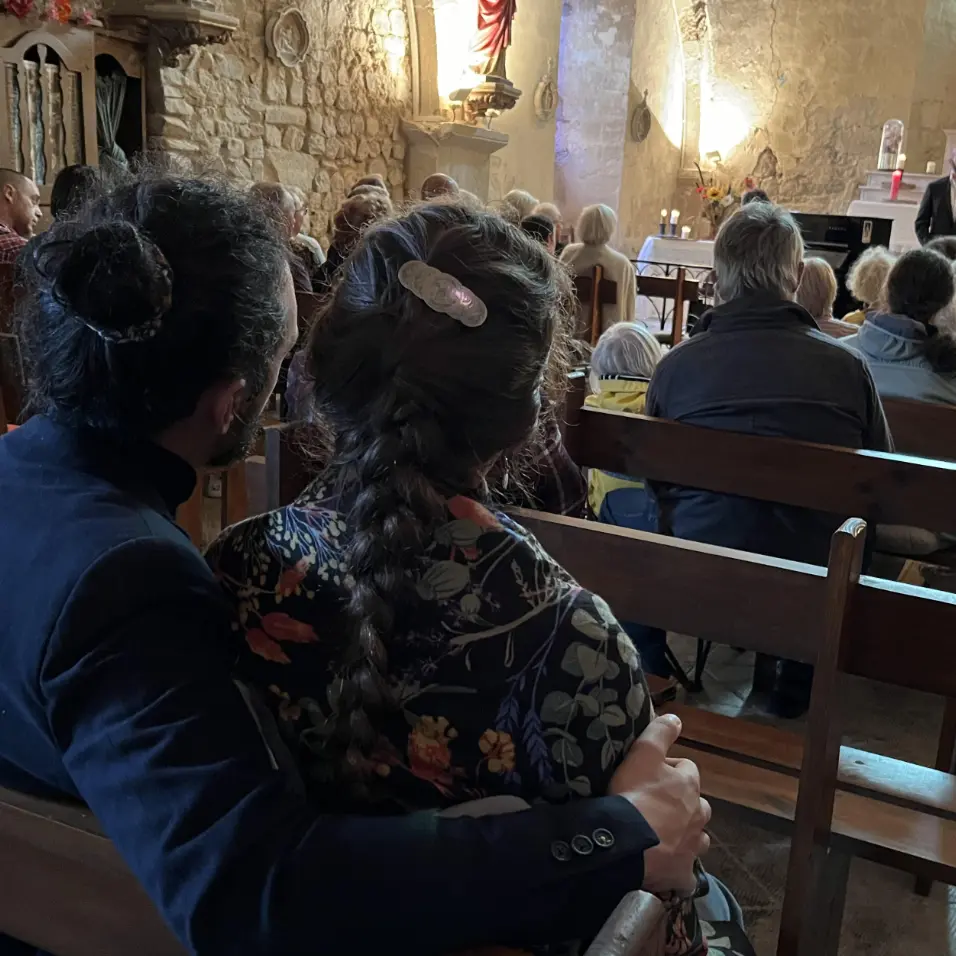
The priory was sold as national property in 1796, and the main buildings (church, conventual buildings, cloister courtyard) were dispersed between different owners. The church itself was divided into two lots. The two western bays of the nave were converted into agricultural outbuildings, while the choir, bought back by local residents in 1848, was reallocated to worship under the name of Saint-Jean-le-Décollé. The parish was initially a branch of Auzat, the commune of Esteil not being created until 1873.
The building was listed as a historic monument in September 1922. In 1944, the church burned down in an arson attack by German troops. A general restoration campaign is due to begin shortly.

